
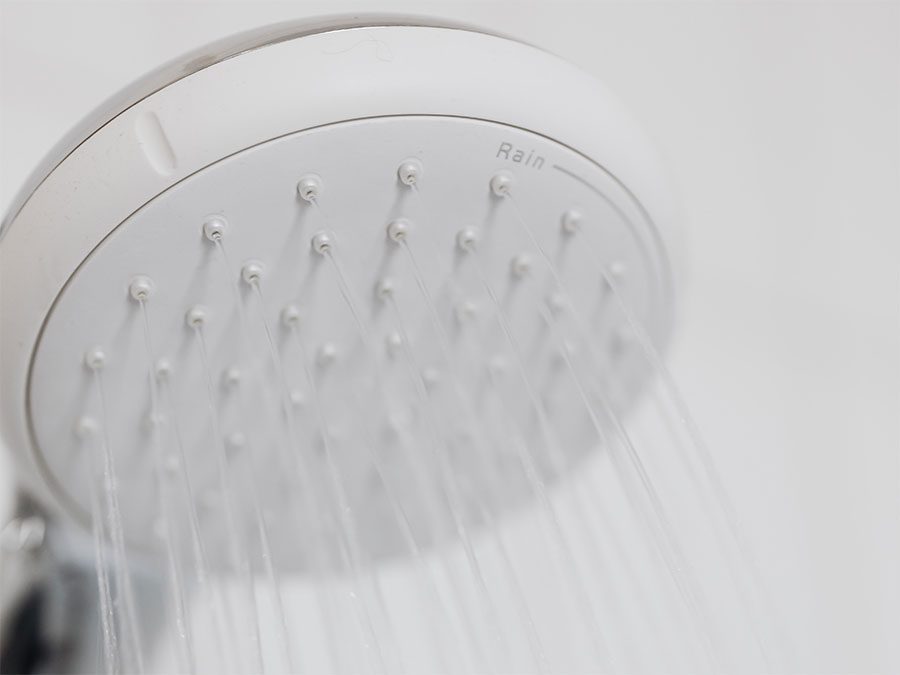
Water travels a long way from public water treatment facilities. Before it hits your pipes, your water supply might have picked up any number of impurities, ranging from organisms to volatile organic compounds (VOCs).
The Environmental Protection Agency (EPA) defines VOCs as a variety of chemicals that are emitted as gases from certain solids or liquids. Common VOCs include paint, cleaning supplies, glue, permanent markers, and pesticides.
Hard water occurs when the total dissolved solids (TDS), or the combined inorganic and organic content in the water, reach a high level. When water moves through limestone and silt, it may dissolve calcium and magnesium, leading to mineral deposit buildup in pipes, sinks, bathtubs, and faucets.
With hard water, soap solutions don’t lather properly, making plumbing fixtures more difficult to clean. Hard water is treated with a water softener, which replaces deposit-building calcium and magnesium ions with sodium and potassium ions.
Kenai has a number of water treatment solutions available for your water problems, from treating a single water source to protecting your entire household water supply.
What is the Right Water Purification System for Me?
Point-of-Entry Systems
A point-of-entry (POE) water purification system treats all the water used in the home. A POE system is installed on the main household water supply line.
Point-of-Use Systems
A point-of-use (POU) water treatment system treats specific water usage points in your home. POU systems may be attached to a faucet or installed under a sink
Types of Water Treatment
Water Softeners (Ion Exchange)
A water softener uses an ion-exchange process to reduce the hardness in your water. This reduces the concentration of calcium and magnesium in your water, and may also remove iron and manganese. As a result, your plumbing fixtures, appliances, and any wetted surface will have reduced mineral deposit buildup.
Iron/Sulfur Filters
Iron/sulfur filters reduce contaminants that cause rotten egg odors and stains on wetted surfaces.
Carbon Filters
Carbon filters reduce organic contaminants from your water supply. They utilize adsorption, a physical process in which liquids, gases, or dissolved/suspended matter adhere to the surface of an adsorbent medium. This filter improves the color, taste, and odor of your water.
Reverse Osmosis Systems (RO)
These are installed under the sink or remotely installed with a separate drinking-water faucet. Many bottled waters are tap water treated with an RO system. For a fraction of the cost, you can conveniently enjoy the benefits of bottled pure water right at your kitchen sink. RO systems involve the passing of mineralized water under pressure through a semi-permeable membrane. This enables fresh water to pass through, leaving undesirables behind.
Ultraviolet Filter (UV)
An ultraviolet filter disinfects water using UV Radiation, damaging genetic material so that organisms are no longer able to grow or reproduce.