Your body is 70% water. Pure water flushes out toxins, improves your complexion, relieves headaches, promotes weight loss, and aids in digestion.
So when your water is of poor quality, your mind and body can’t function properly. You may feel sluggish, bloated, and dehydrated without sufficient high-quality water.
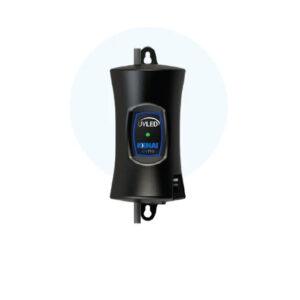
While public water treatment facilities remove major contaminants, they may not remove impurities that make your water smell and taste as fresh as it should, and they may not supply water that is optimal for your health. Water filters provide an extra line of defense against microorganisms that may make you sick or dry out your hair and skin.
What Quality Water Does for You
Why do you need quality water? Find out the top reasons with our list below:
Leads to Better Health
Quality water helps prevent waterborne illness. A 2009 University of California, Berkeley study found that participants who used a reverse osmosis/UV filter suffered about 12% fewer gastrointestinal illnesses than participants who drank unfiltered water. Although the Environmental Protection Agency regulates water treatment facilities for chemicals, microorganisms, and other contaminants, it doesn’t test for many of them. Many public water supply companies don’t test for the following:
- Synthetic Hormones: birth control pills, hormone therapy treatments
- Pharmaceuticals: antibiotics, aspirin, cancer drugs, antidepressants
- Agricultural Chemicals: weed killers, pesticides
- Household Chemicals: cleaners, deodorants, shampoos
Saves Money on Plumbing Fixtures and Appliances
Good water quality extends the lifespan of your appliances and fixtures, sparing you the cost of constant replacement. In a 2009 study commissioned by the Water Quality Research Foundation (WQRF) and conducted by the Battelle Memorial Institute, water softeners were found to preserve the efficiency of water heaters and major appliances.
Throughout the study, dishwashers and clothes washers were operated for 30 days, totaling 240 full wash cycles, using soft and hard water sources. The washers using softened water were virtually free of any scale buildup. The washers using hard water, however, required the removal of scale and deposit buildup. Additionally, less detergent was required for the clothes washed with softened water.
The same study found that hard water led to up to a 48% efficiency loss in water heaters over a 15-year lifetime. Meanwhile, water heaters operating on softened water maintained their original factory efficiency rating over the same period.
Fresher Taste and Odor
Ever wonder why tap water sometimes smells like rotten eggs or tastes metallic? Hydrogen sulfide gas can cause water to give off an unpleasant odor (and damage plumbing). The presence of iron or manganese in water can cause a metallic taste. Water filters remove impurities that cause foul-tasting and –smelling water by trapping microorganisms through an intake hose. This leads to fresh, pure-tasting and smelling water.
Less Cleaning
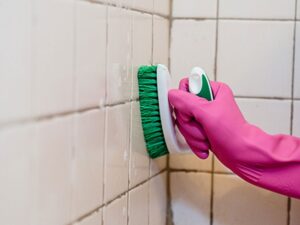
Water impurities may lead to an abundance of mineral deposits, typically found in hard water (for example, lime). This hard-to-remove buildup can be frustrating to clean. Harsh scrubbing can wear away porcelain enamel if your bathtub or sink is made of porcelain. Using a water softener to purify the water means you can clean your plumbing fixtures and appliances less often while simultaneously increasing their lifespan.
Water Quality Tips
You’ve learned how good water quality benefits your health and helps maintain your appliances and plumbing fixtures; now it’s time to achieve these goals by taking action. The following are tips on maintaining good water quality:
Maintain Your Water Softener
If you have a water softener, make sure to regularly check on its salt levels. Lift the softener tank lid—if it’s less than half full, it needs salt. Pour some salt into it to restore salt levels for maximum functionality.
Keep Your Water Filters Clean
If you have a water filter, follow the filter manufacturer’s instructions for how often to replace and/or clean it. If not regularly maintained, your filter may be less effective at trapping waterborne contaminants.
Wash Your Water Containers
Even the cleanest tap water can be contaminated if its storage container is dirty. Make sure to regularly wash your household pitchers, water bottles, and other containers with dish detergent. If the container is especially dirty, you can use unscented bleach and water to clean it.