
Hard water can quietly increase household costs through appliance wear, plumbing repairs, higher energy bills, and increased soap and cleaning products usage. Learn how to save money with water softening, protect your home, and reduce long-term expenses.
How Homeowners Save Money with Water Softening
The Hidden Cost of Hard Water
Many homeowners don’t realize that hard water affects more than water quality. Mineral buildup from calcium and magnesium can reduce appliance efficiency, shorten equipment lifespan, and increase maintenance costs throughout your home.
Properly sized water softeners save money over time and help prevent scale buildup.
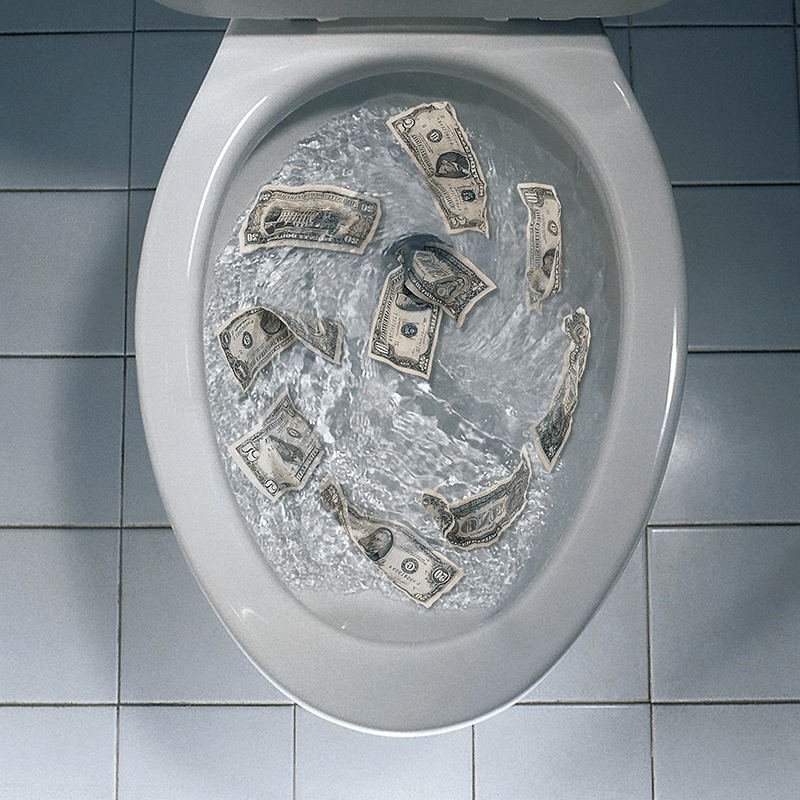
Where Hard Water Costs You Money
- Appliance Efficiency: Scale buildup forces water heaters, dishwashers, and washing machines to work harder.
- Plumbing Repairs: Mineral deposits can clog pipes, fixtures, and valves over time.
- Soap & Detergent Usage: Hard water requires more soap to achieve the same cleaning results.
- Cleaning Products: Water spots and mineral residue often require additional cleaners and maintenance.
- Water Heater Energy Costs: Even a small layer of scale can reduce heating efficiency and increase utility bills.
Save Money with Water Softening

REDUCE
ENERGY USE
Water heaters operate more efficiently when heating elements remain free of mineral scale.
APPLIANCES LAST LONGER
Protect expensive appliances from premature wear and failure.
LESS PLUMBING MAINTENANCE
Minimize scale accumulation inside pipes, fixtures, and water-using equipment.
REDUCE SOAP & DETERGENT USE
Soft water improves lathering and cleaning performance.
FEWER
REPAIR BILLS
Reducing hard water damage can help avoid costly service calls and replacements.
Appliances That Benefit Most from Soft Water
Dishwashers
- Better cleaning performance
- Reduced scale buildup
Washing Machines
- Cleaner clothes
- Less detergent use
Ice Makers
- Improved reliability
- Reduced maintenance
Coffee Makers & Water-Using Appliances
- Less mineral accumulation
- Better performance
Water Heaters
- Improved efficiency
- Longer lifespan
- Lower energy costs
Is a Water Softener Worth the Investment?
Soft, filtered, conditioned water saves money and will always pay for itself over time. The average family of four can potentially save $107/month, or $1,291/year.
A potential savings of $12,910 over 10 years!
See the comparison.
Untreated Water Spending
$187per month
- $33 Bottled Water
- $10 Soaps
- $50 Cleaning Products
- $41 Hot Water Usage
- $10 Plumbing & Appliances
- $43 Clothing & Linens
Treated Water Spending
$80per month
- $0 Bottled Water
- $2.50 Soaps
- $12.50 Cleaning Products
- $32.50 Hot Water Usage
- $2.50 Plumbing & Appliances
- $30.00 Clothing & Linens
Savings
%per month
- 100% Bottled Water
- 75% Soaps
- 75% Cleaning Products
- 20% Hot Water Usage
- 75% Plumbing & Appliances
- 30% Clothing & Linens
Figures based on the average family of 4 with an average water hardness of 10 grains per gallon.
Sources: Water Quality Association, NSF International, US Department of Labor, US Department of Commerce, National Bureau of Standards, US Geological Survey
Signs Hard Water May be Costing You Money
- White scale buildup on faucets
- Water spots on dishes and glassware
- Reduced water pressure
- Frequent appliance repairs
- Dry skin and hair
- High soap and detergent usage
- Rising water heating costs
The Bottom Line
- Cleaner water.
- Better performance throughout your home.
- Long-term value you can see and feel every day.
Are you ready to save money with water softening?
FAQ About How To Save Money With Water Softening
Savings vary by household, but many homeowners see reduced appliance maintenance costs, improved energy efficiency, and lower detergent usage over time.
Yes. Scale buildup forces water heaters to work harder. Soft water helps maintain efficiency and reduce energy consumption.
Appliances often last significantly longer because scale buildup is reduced or eliminated.
Over time, mineral deposits can accumulate inside pipes, fixtures, and valves, potentially restricting water flow and increasing maintenance needs.
A professional water test can identify hardness levels and determine whether hard water is contributing to appliance, plumbing, or cleaning issues. Contact a local Kenai dealer near you!